Transcript
Automatically transcribed and lightly reviewed. Wording may contain errors. For health concerns, consult a qualified professional; this conversation is for general information, not individualized advice.
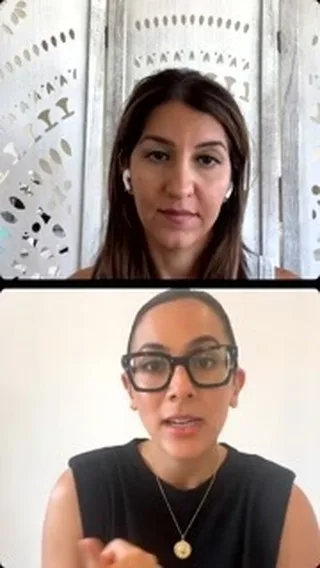
00:00happy monday welcome to another instagram live on baby steps nutrition today's conversation
00:07is a very sensitive subject matter and we're going to be talking about perinatal loss it's an often
00:15misunderstood experience that so many individuals face and i'm happy to have my friend Tallia to be
00:22here to discuss it so i'm going to let her in right now good morning hello argavan how are you
00:44It's good to see you because we have had a podcast interview on the Baby Steps Nutrition
00:50podcast, but we haven't seen each other face to face. I mean, I see a lot of your beautiful face
00:55when you do your stories, but I haven't had a chance to talk to you. So I know this is a very
01:02sensitive, difficult conversation. This is something that I know no woman ever expects
01:09to go through. What I've seen through your stories and your posts is it just really resonated with me
01:16because as an Iranian woman, as a woman who, you know, we go through so many challenges in life,
01:22but it's often not talked about. It's kept, you know, hush hush. Often we feel alone in our
01:29experiences. I feel while we appreciate medical care to save lives, but there's often maybe
01:37lacking the empathy, compassion part. And then when you're grieving and you're healing, you're
01:42on your own. So I love the way that you've approached this topic. I have loved how raw
01:49you've been with your experiences. And of course, incorporating your partner, Parsa, shout out to
01:55him for being a part of that journey. So I want to have that conversation with you today. So thank
02:00you so much for being here. Yeah, thank you for I mean, even reaching out and encouraging me to
02:06talk more about you know this whole experience as you said you know we've been pretty open about
02:12our journey over the past three years this was not our first loss and so um I just I feel really
02:19passionate about passion it's a bit of an odd word but I feel strongly about kind of breaking
02:25the silence around this because there are so many a women and men families parents who experience
02:33perinatal loss and most suffer silently. There isn't the support. There aren't the resources
02:39that I think this community of people is deserving of and needs. And so I will talk about it for as
02:47long as I can. Yeah. And your background is inner child and you work with people who've
02:53undergone trauma and they're on this journey to healing. And then you've had this profound
02:59experience so let's talk about firstly why is it important to talk about this why are we talking
03:05about this and why are we both for lack of a better word passionate to bring this topic to
03:10the spotlight yeah yeah i mean i think first i'll share just high level um my personal experience
03:17just so that people have an idea of like what i'm coming into this conversation with in terms of type
03:21loss. So I have had three losses in total. The first two losses were early miscarriages at 11
03:33weeks and six weeks. And then back in December, I did give birth to my son at 22 weeks and three
03:39days. So went into preterm labor and he was with us for about 15 hours. So that would actually be
03:46characterized as what's called a neonatal loss, which is the loss of a living child within the
03:51first 28 days of birth. So coming into this conversation, I'm both bringing, you know,
03:58my personal experience going through loss, being a bereaved parent, and also bringing, you know,
04:0310 plus years of knowledge and, you know, a master's degree in psychology and a lot of
04:09just tools that I think, again, can very much be applied to this, to loss, because loss is a wound.
04:17And as much as I, you know, I'm new-ish to grief, I'm not new to healing.
04:22And so why we're here is because, again, this affects millions of people a year.
04:29I've, you know, I've shared some stats with you previous to the call today.
04:33The one that's, like, most mind-blowing to me is that there are 2.4 million annual fetal and neonatal deaths a year.
04:43And that's four times the number of deaths from cancer.
04:46And again, when we think about how under-resourced and how little information there is available publicly, excessively, I think we need to equip people with the information in a society that is death-denying, in a society that disenfranchises grievers, let alone perinatal grievers.
05:08And so, um, lots of reasons to be here having this conversation, but, um, I think it's,
05:14it's become significantly more and more clear, both through personal experience and speaking
05:18to people who've been in the loss community for a while, that this does significantly
05:23impact your wellbeing, your mental health.
05:25And if this goes unsupported, if we don't talk about it, if we don't get the support
05:30we need, this can have lifelong impacts that, um, can significantly compromise the quality
05:36of your life.
05:37Yeah.
05:37And then.
05:38I think one of the questions that often comes to mind for people is, now what do I do? How do I feel? How do I go on? And I think that's the moment where you feel really stuck. And I think part of your story and your journey is there are ways. And of course, it's not anything that can be rushed. It looks different for everybody, right? There are so many different graphs that depict grief can be all over the place.
06:01you could be driving you could be triggered you might feel okay one day and then the next day
06:06you're just you need to be curled up and i know that's something you had shared in the corner of
06:11your room just bawling your eyes out so tell us some common reactions to pregnancy loss i mean we
06:17want to acknowledge it's different for everybody but often people may feel these things and then
06:23tell us how they can vary by the type of loss sure yeah yeah so in terms of how they vary by type of
06:30loss. I can only speak to that from personal experience. I haven't seen much research,
06:35or I should say I've seen conflicting research about whether or not length of gestation affects
06:40like the intensity of grief and the way that you kind of move through the emotional and
06:45psychological distress of loss. For me personally, I don't, I would not say I grieved the miscarriages
06:53the way I grieved the death of, you know, my child who was born living. They were two very
06:59separate, very different experiences for me. And I think even just if you, you know, look at
07:05statistics, miscarriages, you know, some sources say that, you know, over 20% of pregnancies end
07:14in early miscarriage within that first trimester. And so I think in some ways, it was always in the
07:19back of my mind that there might be a miscarriage, especially after the first one, I thought, you
07:23know, maybe the second, like, I didn't know how helpful to be for the second. And when that also
07:26resulted in in loss um it just kind of felt like well this is just kind of what to expect and this
07:33happens and from a medical perspective doctors just said it happens it's random it's common
07:39nothing to worry about um try again you know that's kind of all I got um so I didn't think
07:46I didn't really think to look any more deeply into what was going on or if anything was wrong
07:52no one gave me any inclination to think something was wrong um even now after this neonatal loss
07:58they're still like it happens it's random you know so that's a whole separate conversation but
08:03um the emotional response and the reaction and the grief for me with this third loss
08:10it's not even comparable um it also wasn't much the the pregnancy progressed pretty far
08:18um, compared to the first pregnancy. So that's kind of what I'll say, um, in terms of my
08:25experience, the difference, you know, between types of losses. Um, I, in terms of like typical
08:34expected normal emotional reactions to perinatal loss, I mean, the umbrella is it's grief, right?
08:41But grief shows up in so many ways. There's shock, there's extreme and intense anger,
08:46there's disbelief there's uncertainty there's confusion there's a lack of meaning a lack of
08:52identity your whole life narrative kind of unravels and you're forced to make meaning of
08:58what happened but also restructure your future life story around the loss so there I mean there
09:03are so many elements and puzzle pieces and parts of the process that come with grief and what I
09:11also want to emphasize is that grief is a normal and healthy process like of course you're going
09:16to grieve in whatever way feels right you know and again every experience is unique and comes
09:23with its own um complexities but i do think it's important to recognize that grief is is a normative
09:31process um and has been found research has shown that grief tends to peak around six to seven
09:39months. And then there's a steady decline over two years. And grief never goes away, right? You
09:46refer to a lot of like, Instagram posts and graphics and like images of peaks and valleys
09:51and highs and lows. And I think one thing that has been made very clear to me in personal
09:57experience is that this will, this will never go away. This is a loss that I will live with for the
10:04rest of my life. This will never, nothing will ever change what happened, right? It's never going
10:08to be something I look back on and feel joy around like that's just not what this is um and
10:16so the goal with grief in terms of healing the grief is not for the grief to go away or for the
10:21grief to you know yeah for it to go away or for it to end but for it to become an integrated part
10:27of your life for better or for worse yeah um so I'll pause there and just kind of see what comes
10:35up, um, either in the chat or from you in terms of what's, uh, yeah, what's normal. And then we
10:40can go into kind of what's, what's a little bit more, um, when grief can turn into what's called
10:46complicated grief and some of the symptoms and signs that, you know, the grief is kind of
10:50prolonged in a way that might need additional support. Yeah. And let's talk about that in a
10:55minute. And then my other question was, you know, often we talk a lot about grief and emotions,
10:59but there's the physical changes and the physical peaks and valleys that come with
11:05a pregnancy and loss. And so talk to me about, or however comfortable you feel about what that
11:12looked like for you. Cause often I feel like that doesn't get talked about at all. I mean,
11:15doctors don't check in with you. You're off on your own and you're sitting there going,
11:20is this normal? What's wrong with me? How long is this going to last? What did that look like
11:24for you? Yeah. Yeah. And again, for this, I'll speak from personal experience. I'm not a medical
11:29professional to talk about you know the physiology and the biology and like all the things that
11:33happens but I do think generally we think of grief as an emotional process and grief is
11:40wildly physical um on top of just like postpartum shit you know it's like yeah you have that you
11:49have the hormonal changes you have your body changes you have and you know and I think for
11:53me what I'm most experiencing now um twofold one is just like brain I feel like my my brain has
12:02changed like the way I process information you know and some of it has we can talk about EMDR
12:10too in terms of like trauma processing but I feel significant impact um when it comes to
12:17yeah how my brain functions there's generally like a bit of a fog that I'm kind of working
12:22through right now, there's also an understandable, you know, impact of being in a low, like a
12:28prolonged low emotional state for six, seven months, that's going to affect serotonin and
12:33dopamine and all the good feeling, you know, chemicals. It's, it, it's pretty depressive
12:40day to day. Even if I'm going through the motions and, you know, working and doing things that,
12:45that are enjoyable, seemingly, there's a very different response happening in my body or not
12:52happening in my body that I've noticed um and then I also think a part of my experience with
13:00there being some PTSD and there being some um just like general anxiety around my body and not
13:08knowing what's going on with my body and feeling you know anything that I feel like rings alarm
13:15bells even if it's not at all um threatening or or anything to really be concerned about
13:21everything does feel like a really big deal in my body now because of what I've been through.
13:27Right. So I could keep going with with some of the physical ways grief shows up. I mean,
13:33the tension that your body can carry after trauma. I feel weight on my shoulders. I feel
13:39tightness in my chest. I feel a lot of symptoms of like anxiety in my body. And these are all
13:46things that I'm working through with a professional. And, you know, I'm seeing doctors
13:49And I'm very actively kind of facing these layers head on as they come, because I know that they're a normal given what I've been through and be things that I don't need to suffer with silently.
14:04Yes, that's a huge one. Yeah. And you mentioned the word complex grief, complex PTSD. Tell us about what that means.
14:12Yeah. So, um, complicated grief is what I was referring to. Yeah. So complicated grief is
14:18essentially a prolonged state of grief, um, that I'd say there are a couple risk factors that
14:26contribute to complicated grief. Again, from the research I've read, I'm not an expert in grief by
14:31any means. Um, but complicated grief, the two biggest, um, risk factors are a lack of social
14:38support and a lack of marital marital support right so not surprising I think the more people
14:48feel alone in what they're going through the more adverse effects they're going to feel and
14:56experience and so you know some of the symptoms of complicated grief are that the loss feels as
15:02raw and as fresh as it did day one like there's no alleviation it feels just as strong just as
15:07intense, distressing, ruminative thoughts, interrupted sleep. And, you know, I'd say the
15:17biggest determinant or the biggest indicator of complicated grief would be that there's just this
15:25like continual avoidance and prolonged isolation that someone's experiencing, where it just feels,
15:33yeah again like it happened yesterday and the intensity is just the same whereas ideally you
15:39want to be able to see a you know steady decline throughout the first two years yeah and Tallia i'm
15:46curious so you are on social media so you've put a lot of this out there i'm curious some of the
15:52responses that you've gotten to your posts and your stories yeah positive and of course you know
15:59eye-opening light bulb moments whatever yeah like yeah I mean two things come to mind immediately
16:04one is that I'm I know I'm not alone because of the number of stories that people send you know
16:12whether they're like quite frankly on their bathroom floor experiencing a miscarriage and
16:17reaching out saying I'm so scared you know I don't know what to do and I feel so alone
16:22um from that to yeah I also went into preterm labor at 22 weeks and lost my son around the
16:30same time as you did so it just once you once you're in this world you realize how many other
16:37people are in this world um and often I'm the first person they're telling their story to which
16:43to me is just like both like it's such an honor to be able to to hold space and hear someone's
16:51story um but also makes me feel really I guess I don't know sad's the right word but just sad
16:58that people don't feel that they have the places to go to safely be held and share their experiences
17:04um so a lot of and someone just wrote here too you are not alone and that was very timely thank
17:10you for writing that and that's exactly why we have these conversations yeah that people can
17:15feel like they're not alone yeah yeah so that's been a big one stories like that coming in and
17:20then you know I think for me too I I was a little um I didn't plan like when we ended up sharing
17:28about our loss um the first two losses I shared maybe a couple weeks if not a couple months after
17:35but with this loss being the most significant loss I didn't really know or think about when I
17:41was going to share how I was going to share it but it felt very like intuitive and very right
17:46in the moment, Parsa and I were like, no, we, we want this to be known. So, so that we can be held
17:51by our people and the social support we've had since day one because of our, because we were
18:01open about our story. Right. Yeah. Um, and I remember at one point thinking, okay, maybe being
18:06on social media, isn't that helpful because there are a lot of triggers and a lot of pictures and a
18:11lot of you know things that can be hard to see um and it was actually harder to be off of social
18:16media because I recognized what a strong you know source of of support and social connection I was
18:22I was getting through my sharing and through my openness on Instagram so it's been beautiful I'm
18:30so thankful for the ways people have held us you know virtually it's still it still counts it's
18:36still worth something and and we have it offline as well yeah um but it's opened up a whole world
18:43that um no one no one ever hopes wants wishes they're gonna be a part of but once you're
18:50in it there are people there who are a few steps ahead and hopefully willing to hold your hand
18:57through it i love that you mentioned triggers so they're everywhere um how do you navigate that
19:03because that's a whole other I'm sure there's ways you know there's one thing to be mindful
19:08but then you're taken aback by something you see or hear yeah how do you navigate that personally
19:14yeah yeah so I will say the one thing that has helped tremendously with navigating our triggers
19:23and helping us feel less activated in certain moments is doing EMDR with our therapists
19:28so without getting too into it unless unless we have the time and space to emdr is a way of
19:35processing trauma that essentially takes you back into a moment in time that feels particularly
19:43activating overwhelming triggering and through rapid eye movements among other kind of modalities
19:50you essentially process the memory so it no longer stays stuck and frozen in your brain.
19:59That's often why we feel like it's happening all over again, right? Because there's a free
20:04to respond. Totally, totally. So triggers, I'd say for the most part, day to day,
20:13the triggers have subsided um because i've gone back into moments and and done pretty deep
20:21processing of of particular things that feel difficult um and yes like is is it
20:29is it hard to be around people who are pregnant yeah i mean yeah yes that's the truth you know
20:35that's the truth is it hard to sometimes be in my office that i was preparing to be the nursery
20:42yes it's hard but i don't have the same like visceral full body experience it's still a memory
20:51it still has emotions that come with it um but it doesn't like take me back and completely
20:57um dysregulate me but the triggers are everywhere right everything can be a reminder in some way
21:05some expected some unexpected and the work for us has been which is largely in our child work
21:12is how to regulate how to be with your overwhelm in the moments where parts of you start to get
21:19activated and and feel um distress or whatever it is that they might be feeling yeah and you
21:26have expertise in the inner child work but how have you had to tap into that yourself oh my gosh
21:33during this journey because i'm sure that's even harder when you're in it yeah i mean day one i i
21:39I've been continually so thankful for the resources and the tools and the knowledge I had coming in to this, for better or for worse.
21:51You know, it really in some ways set us up to be able to navigate this in a bit of a more informed way, I guess I could say.
22:01That doesn't mean that we've been fully like self-reliant or, you know, it's yes, I have my toolbox and my skill set.
22:09and I can do my own work and I know when to go to who for additional outside help.
22:15But the tools that have come into play day one, and this is largely in our child work,
22:20this is largely based in internal family systems, which is essentially this way of understanding
22:27your internal world and your mind by allowing like multiple competing, often conflicting
22:34parts of you to exist at once. So, um, often I think in the, in the grief space or in the healing
22:41space, we tend to, um, we tend to like put certain emotions or reactions or internal
22:50responses. Like they're off limits. Like we're not allowed to feel certain things. We don't allow
22:56ourselves the space to be angry because I shouldn't be angry. I should be thankful that I'm still here
23:01to it right like the gratitude part yeah totally there's a lot of toxic positivity yeah a lot of
23:08not giving ourselves permission to experience the full range of emotions and that might even mean
23:13like i can't feel joy because i'm i shouldn't i shouldn't feel any happiness how can i be happy
23:19when this is after totally the guilt i mean it's such a wide range of of emotion and the again the
23:28work the essence like at the very core it's it's in allowing every moment to bring whatever emotion
23:37needs to be felt and um and not judging it like there's a large piece around this that is non
23:45judgment that is allowing the full range of your emotions and that is um just validating and
23:51acknowledging any and all things that come up like okay I feel angry in this moment of course
23:55I feel angry what happened to me wasn't fair as opposed to again I shouldn't feel angry why am I
24:00this way I you know I should I shouldn't like all of that um is it'll it only makes it harder
24:09right yeah and you stay stuck in it longer I feel like the more exactly there's resistance
24:15yep the body will find a way to say no then then you stay here until you can yeah um talk to me
24:22about the role of a partner and so if someone doesn't have a partner in their life a trusted
24:28friend confidant what is what does that look like how has that been helpful oh my gosh
24:33uh like i can't even put words to make you cry yeah yeah it's no it's not it's i mean yes it's
24:41emotional to think about um it's emotional to think about people who who don't have that safe
24:48person to go to and to be held by because I don't know where I'd be without not just you know my
24:55husband is my first stop or I should say this is very inner child work of me but like I am my first
25:02stop right like any parts of me that feel wounded that feel sad that feel scared like I am their
25:08mother they come to me and I hold them and I'm with them and we move through whatever we need
25:13to move through together and then there's my husband and then there's the inner circle of
25:17family. And then there is a circle of friends. Um, but being, being again, safe, feeling safe,
25:26um, to be witnessed by somebody in, in our pain and in our suffering is,
25:33I think the most critical, it's critical to our healing. Um, and, you know, part of it with my
25:43husband and I has been building the language we you know we say often that like loss is a language
25:49and it's while it's a different language it's also the language of love and and a language that
25:55requires um like in some way we speak different dialects but there's also a oh when you're when
26:07you say this I understand that you feel that so there's a lot of like relearning each other
26:12yeah in our pain um and being in constant open communication i mean we are like there's nothing
26:21that either of us have held silently or alone in this entire process which i think is rare
26:27um i think is is quite rare so i don't know if that answers your question but that's kind of
26:32it does it does i love that um so for people who feel stuck they feel alone they feel
26:39like, how do I even take those next steps? What resources do you recommend for them?
26:44What have been helpful? Yeah. Um, I, what, what was most helpful for me day one was finding other
26:51loss moms. Um, and I also, so much of what keeps coming up for me as I talk about this is,
26:59is wanting to make sure we include the dads in this conversation, right. Um, or your partner,
27:05you know whatever that looks like um because they're often even more um kind of disenfranchised
27:12and on the outside of this when it's just as much a loss for them as it is for the ones who carried
27:18the you know the child um the first thing I did was reach out to a lost community that I found
27:24out about at the hospital um my like most recommended resource person community is going
27:30to be Catherine Lazar and I can post her name on my stories. Yeah. She just started an online
27:37community called a loss link and loss link is worldwide. You can look for people in your own
27:44city who've experienced a similar loss. You can look for, you know, keywords and just find someone
27:51who gets it, who's been through it. Um, that's a big piece of it in terms of a resource. Um,
27:57I would also recommend, again, EMDR to anyone who's willing and open to doing some more active processing work.
28:05If you're feeling highly triggered, if you're feeling like you're stuck in a bit of fight, fight, freeze response,
28:11finding a professional who specializes in EMDR, that's been life-changing and game-changing for us.
28:19um ifs inner child work again is a resource i would turn anybody to if for nothing else to
28:27just help you understand the like the complexity of what's happening inside of you at any given
28:32moment in time um and then i've got some books as well that i can again share on my story that
28:39i've turned to that i'm still turning to and reading um mostly as a way to validate what
28:45I'm going through to make me feel less alone in what I'm going through. Um, and, and to give me
28:52just a different way of looking at things often in trauma, you know, you, you kind of, it's like
28:59you've got blinders on and your, your lens is very narrowed. And, um, so for me, anything that kind
29:05of opens me back up to the world is something that I'm open to and I'm welcome. Um, so those
29:13would be my kind of go-to resources um and I think again the easiest like step up the ladder is is to
29:22to find a community a support group of other lost moms reach out to me I would love to hear your
29:27story you know whoever is here watching um there's something really powerful in in just
29:32yeah sharing your story community exactly exactly I love that so as you mentioned we'll compile a
29:39list. We'll share that for our communities so people can easily access them. Tallia, one last
29:45question for you. Life's motto, philosophy that you live by, words you use to remind yourself
29:51often. What is that for you? Right now, it's feel everything. That's a tough one, but that's a good
30:00one. It's a tough one, but if you can learn how to hold space for all parts of yourself,
30:04no matter how big or small or wrong or right that to me is the only way to move through life is to
30:12just allow it all to be felt and processed and integrated and um and yeah and to have the courage
30:19to do that i think is a beautiful thing so feel it all yeah so important um thank you so much for
30:26being here so other than instagram how else can our viewers find out about you yeah um instagram
30:33Yeah, Instagram is kind of the main place.
30:36Otherwise, my website, talliadeljou.com, you'll see a lot of ways I work with people,
30:42doing primarily inner child work, healing your wounds.
30:46There may or may not be something coming soon,
30:50more specifically related to the lost community and the wound of loss specifically.
30:57So my, yeah, my heart goes out to anyone else who's in this space.
31:03And, um, and I'm here to continue talking about it, breaking the silence and sharing
31:09resources that I find helpful along the way.
31:11So Instagram and website for now.
31:12And, um, I'd love to, yeah, I'd love to connect.
31:15Awesome.
31:16And for those of you who don't know who I am, I'm Argavanya Forush.
31:20I'm a pediatric dietitian, but as a passion project, I started a podcast in 2021 and I
31:27had the pleasure of having Tallia on that podcast.
31:30and we talked a lot about the inner child,
31:33which is another big passion topic of mine.
31:35So I feel grateful that I can use that platform
31:38and this platform to connect with people like you.
31:41So thank you so much for being here.
31:43I really truly feel like conversations are so powerful
31:46and then the connection in the community even more so.
31:49So the more we can bring people together,
31:51I feel like that's what this world needs.
31:53So thank you so much.
31:54I feel very blessed that you're here
31:56and hopefully for our viewers,
31:58there's been some support, some compassion
32:00and some valuable information around this very sensitive and profound topic.
32:05So thank you for everyone who tuned in.
32:08Happy Monday.
32:09And, of course, as we mentioned, feel free to reach out to either of us,
32:12and we're happy to connect you with resources, each other,
32:15or other experts that might be helpful for you.
32:19So thank you, Tallia.
32:20Thank you.
32:20Happy Monday, everyone, and see you all again soon.
32:23Bye.
32:24Bye.